Common warning signs after wildfire exposure
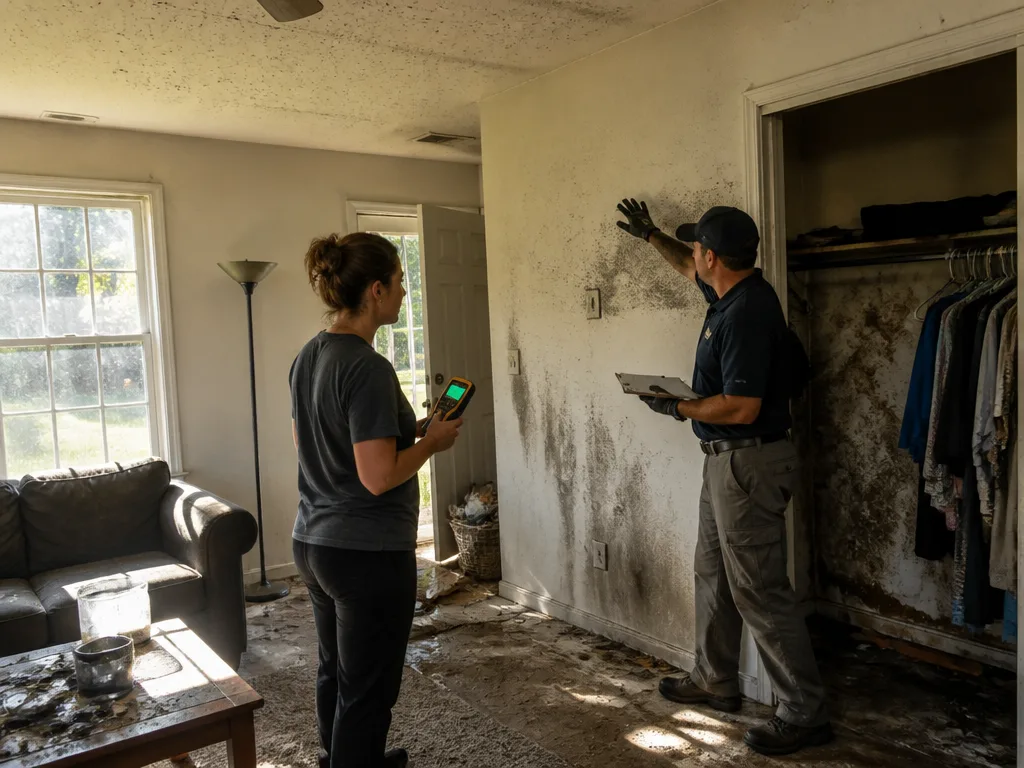
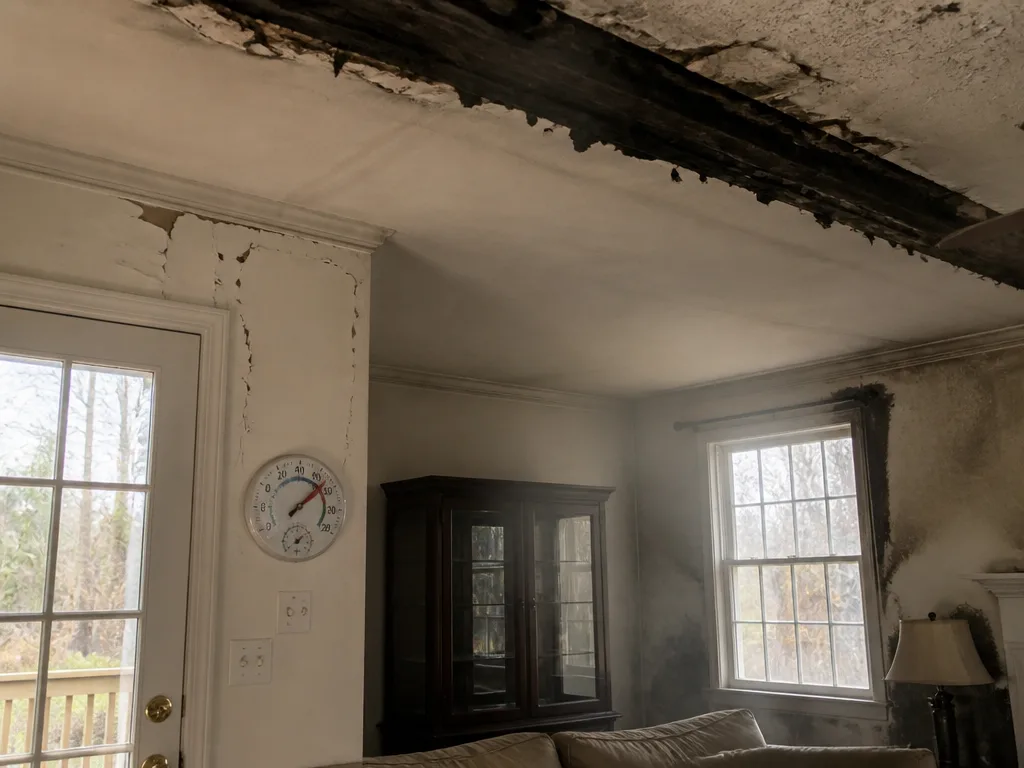
Fire and smoke leave more than visible scorch marks. In South Carolina homes, lingering odors, hidden soot on walls, and patches of darker staining near ceilings can signal ongoing damage. Our restoration specialists notice that smoke can penetrate porous materials and affect air quality long after flames are out. If you notice unusual tastes or smells, or detect lingering dust with a musty edge, it’s a sign to inspect more closely.
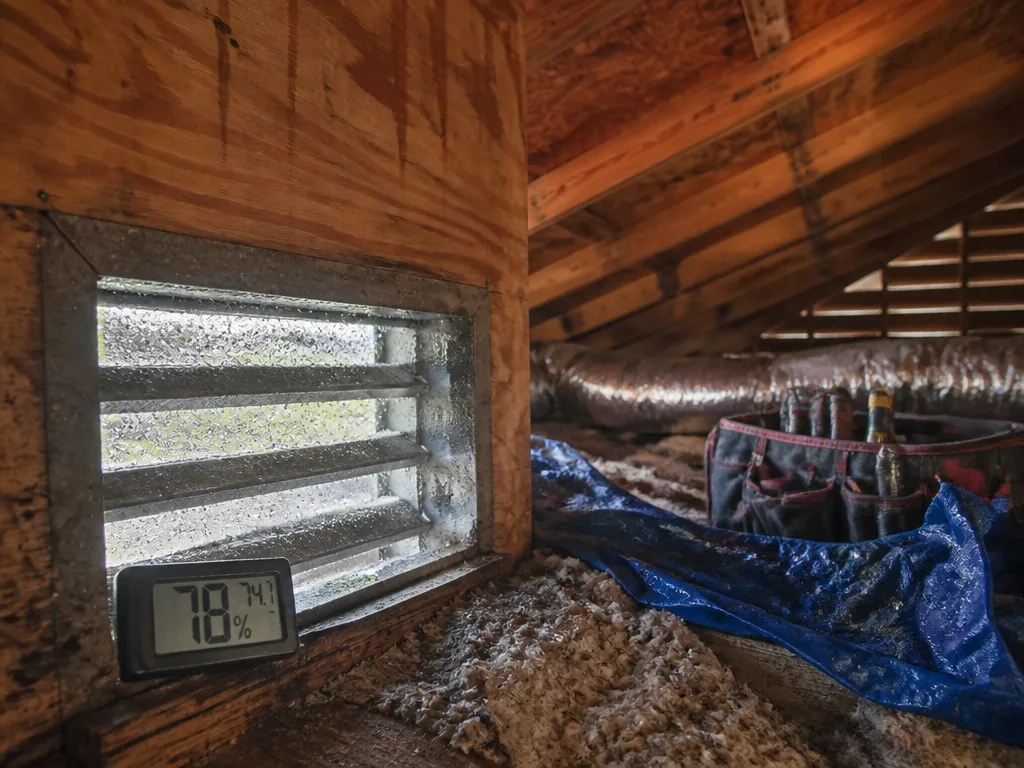
Water damage from firefighting efforts often accompanies fire loss. Stains on ceilings or walls, soft spots in floors, and a musty odor point to hidden moisture. Left unattended, moisture fuels mold growth and can compromise structural integrity. In South Carolina, humidity makes this risk real year round, not just in the immediate aftermath of a fire.
Why early recognition matters
Addressing warning signs early limits secondary damage and reduces repair costs. Our team of restoration specialists can identify the source of problems that aren’t obvious to homeowners. A quick assessment helps determine what needs to be cleaned, stabilized, or rebuilt and what items can be restored rather than replaced.
In South Carolina, timing is especially important because humidity and heat can accelerate deterioration. A prompt call to a restoration service means you’ll have a plan that protects your home now and preserves value for the future.
What to do now if you suspect hidden damage
First, reduce exposure by ventilating the space when safe and limiting activity in affected areas. Then arrange a professional assessment with South Carolina Wildfire Damage Restoration. Our crews in every South Carolina metro bring a statewide perspective to every job. We perform a thorough inspection, identify hidden damage, and outline next steps in plain language.
During the inspection, expect a clear, non rushed conversation about scope, timelines, and any temporary measures needed to protect your home. We avoid hype and focus on practical steps you can take today to prevent further harm.